
With chronic diseases on the rise, the demand for healthcare solutions is transforming the pharmaceutical industry. The global demand to meet these medical needs means that every year brings new and anticipated drug approvals.
Three drugs reaching the market in the next 24 months are likely to redraw the commercial map in their respective categories: Voxzogo in achondroplasia, Tirzepatide in type 2 diabetes and obesity, and Donanemab in early Alzheimer's disease. Each is a first-in-class or best-in-class entrant in a category that has been commercially static for years.
Voxzogo: a first-in-class for achondroplasia
Achondroplasia affects approximately one in 25,000 live births and is the most common cause of dwarfism. The condition is associated with rhizomelic limb shortening, frontal bossing, midface hypoplasia, and increased lumbar lordosis. Patients have historically faced invasive surgical interventions, including spinal cord decompression and limb-straightening procedures, alongside elevated lifetime risk of obesity, sleep apnoea, chronic back pain, and spinal stenosis.
Voxzogo is the first pharmacological treatment for the condition. Indicated for children from age two until growth-plate closure, it is a daily injection that down-regulates fibroblast growth factor receptor 3 signalling and promotes endochondral bone formation. Trial data indicates approximately 75% of expected age-appropriate growth in treated children, with no adverse events related to disproportionate bone growth or bone pathology.
The commercial implication is a category that previously had no drug treatments at all. Ascendis Pharma, BridgeBio, and Pfizer all have follow-on candidates in development, suggesting the category will become competitive within the decade.
Tirzepatide: a step change in obesity pharmacology
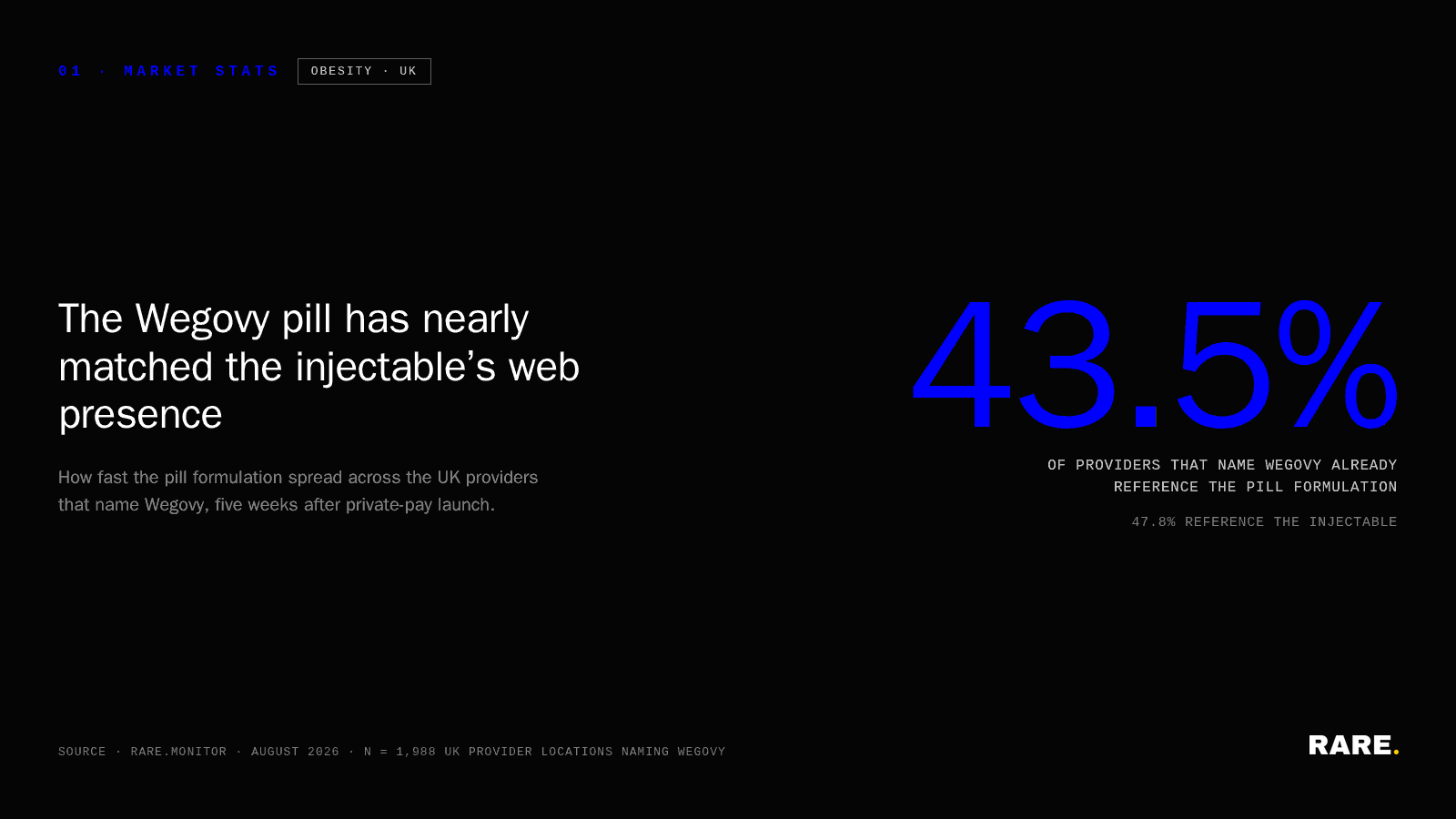
Tirzepatide, manufactured by Eli Lilly, is a dual GIP and GLP-1 agonist used to manage blood glucose and weight in type 2 diabetes. It is the first agent to deliver more than 20% weight loss in trials of overweight and obese adults, against the approximately 15% delivered by single-mechanism GLP-1 agonists such as Wegovy.
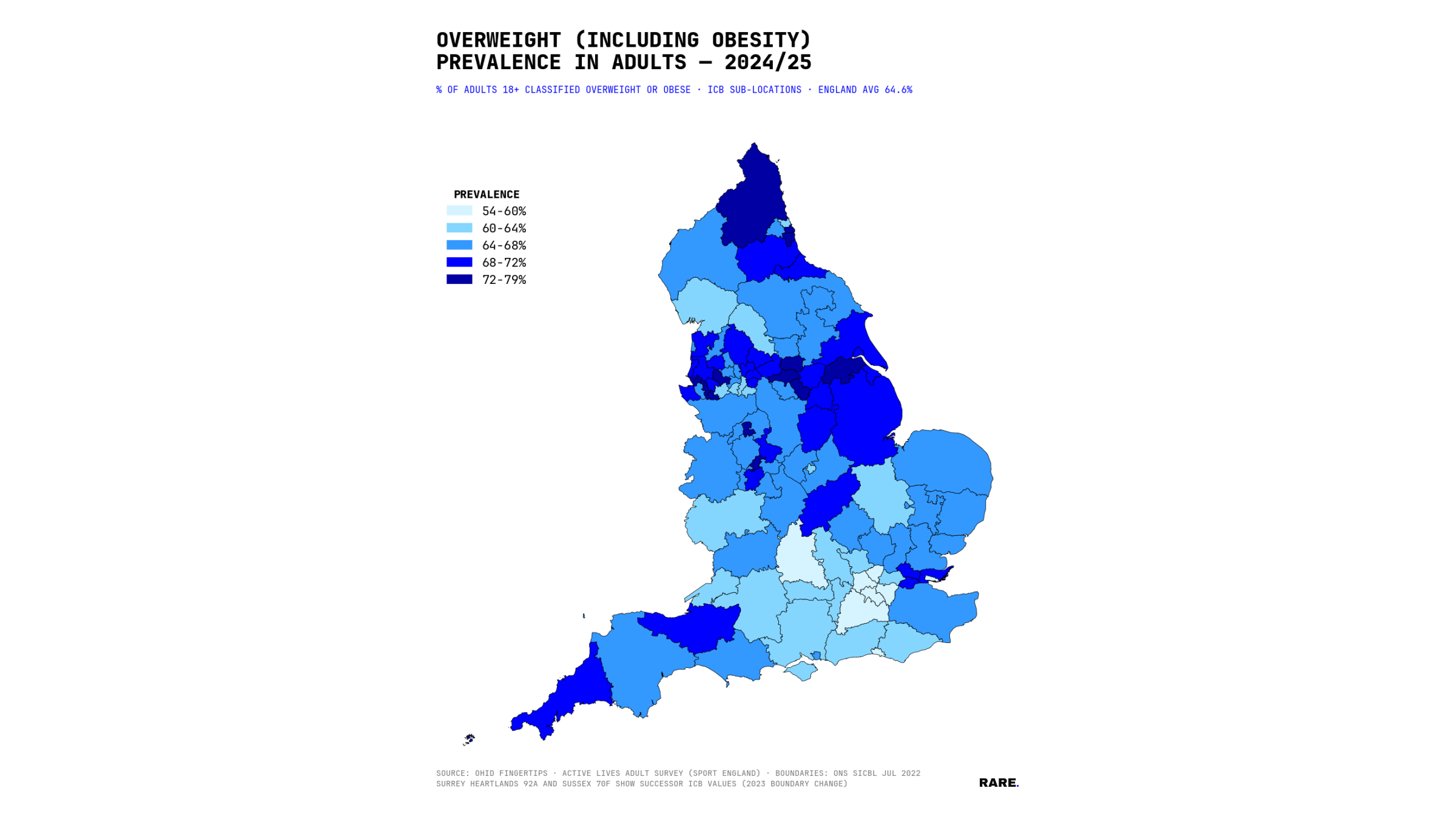
The market context: 13% of the world's adults are obese, 39% are overweight, and obesity now accounts for an estimated 8% of global deaths. GlobalData projects Tirzepatide sales to reach $6.8 billion in 2028, a number that reflects the scale of unmet need rather than market enthusiasm. The interesting question for the rest of the category is whether 20% becomes the new performance bar that follow-on candidates must clear to be commercially viable.
Donanemab: a disease-modifying entrant in Alzheimer's
Alzheimer's disease accounts for 60-80% of dementia cases. Over 50 million people live with dementia globally, projected to rise to 152 million by 2050. The existing treatment landscape is dominated by symptomatic agents that do not change disease progression.
Donanemab, also from Eli Lilly, is currently under FDA review and targets the amyloid-beta plaques that accumulate between neurons in early Alzheimer's. Mechanism aside, the commercial significance is that Donanemab is positioned as disease-modifying rather than symptomatic. If the regulatory and clinical data hold, the category moves from one in which existing brands compete on tolerability and dosing to one in which the disease-modifying claim is the entry condition.
Several competing manufacturers are developing subcutaneous-administration alternatives, which would shift the delivery model from clinic infusion to home injection. That single change would move the category from a hospital-based commercial model to a primary-care-and-pharmacy commercial model, with all the implications that follow for sales force structure and prescribing channel.
What it means for commercial teams
Three categories, three different commercial dynamics, one common pattern. In each case, a category that has been commercially static for a decade or more is about to add a new performance bar that follow-on candidates have to clear. Marketing plans built around the old performance bar will not translate.
The 5-to-10-year horizon: more first-in-class entrants in conditions that have historically been commercially neglected. Plans should assume the categories most worth tracking are the ones that look quiet today, not the ones that look noisy.